 Anthracnose is a type of fungal disease that can affect both grassy and broadleaf plants. While it is most commonly seen in trees, it can also cause problems for lawns.
Unfortunately, there is no sure-fire way to prevent Anthracnose. However, there are a few things you can do to reduce the risk of your lawn becoming infected.
In this article, we’ll discuss what Anthracnose is, how to identify it, and some tips for preventing and treating this disease.
What is Anthracnose?
Anthracnose is the common name given to a group of fungal diseases that not only affect lawns, but also the foliage of other plants, including fruit trees, vegetable crops and other ornamental plants.
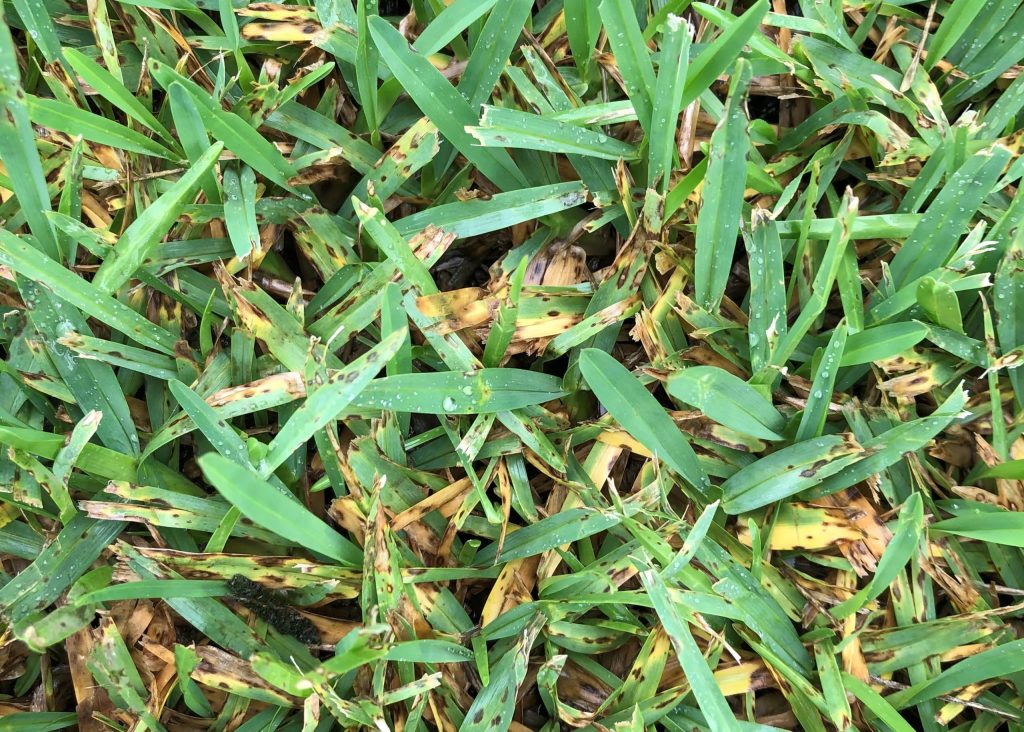
 Anthracnose affects some warm and cool season turf species. In lawns, it is often caused by the fungus Colletotrichum graminicola. The fungus infects the leaves of the grass, creating yellow and red lesions. This disease can also significantly affect the turf plant’s crown and roots, eventually causing the plant to wilt, change colour and die.
The fungus that causes Anthracnose usually lies dormant in the infected plant debris through the winter, before coming to life in spring. The disease can take hold when the fungal spores produce acervuli – the fruiting bodies of the fungus – which can then spread from one area to another by water, contaminated mowing equipment or shoes.
Anthracnose Symptoms
The symptoms of Anthracnose may vary depending on the grass species affected and the time of year the disease occurs.
In general, symptoms typically appear as bright yellow irregular patches in the turf. Patch sizes can vary from a couple of centimetres wide, up to 500mm in diameter. Reddish-brown spots will appear on the leaves, and if you look closely at the base of the grass, you may notice the black fruiting bodies accumulating near the soil surface.
Conditions that Favour Anthracnose
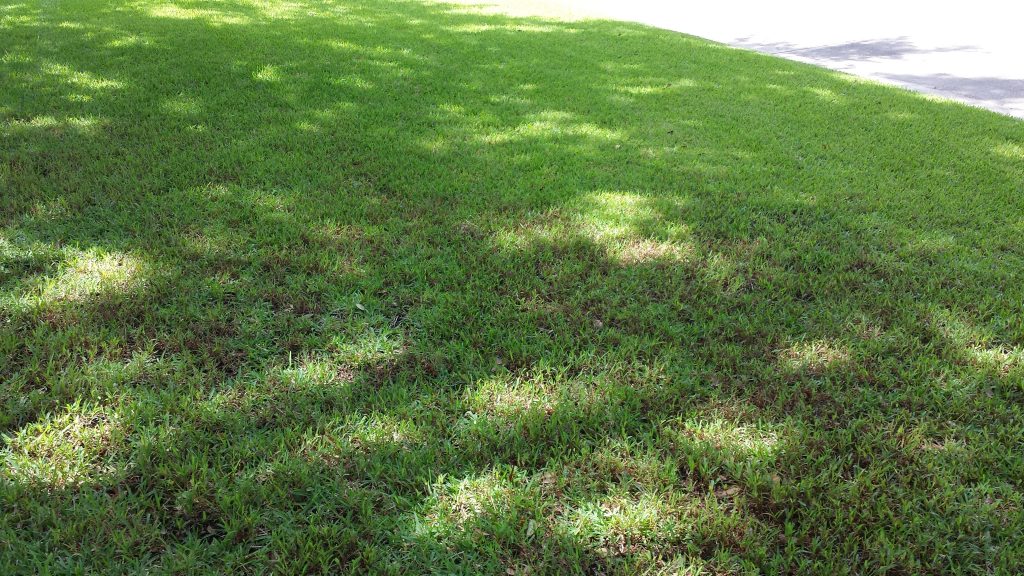
 Turf is most susceptible to Anthracnose infection when it is placed under stressful conditions. Shade, poor drainage, soil compaction, extreme temperatures, nitrogen deficiencies, and low mowing heights can cause these problems.
Anthracnose outbreaks are often associated with moist soils, which is why the disease is more likely to appear after periods of excessive rainfall and high humidity. Conditions that prevent your lawn from drying after rainfall, such as overcast periods, shade, poor air circulation, and poor drainage, tend to exacerbate Anthracnose.
How to Prevent Anthracnose
Preventing Anthracnose should focus on management practices that alleviate stress conditions on your lawn.
Soil compaction and draining issues should be addressed by regular aeration and dethatching to improve your lawn’s water flow and air circulation. If your lawn is subject to high foot traffic, you should aim to redirect traffic.
Avoid overwatering your lawn, and where possible, prune overhanging trees or bushes that may create shade or drop excessive organic material.
 One of the most important factors in controlling Anthracnose is nitrogen fertility. You should regularly apply small amounts of nitrogen fertiliser to reduce the severity of the disease. Regular nitrogen applications during the cooler months will also assist in disease recovery.
Other strategies for preventing Anthracnose include mowing at the correct height to avoid scalping, applying a light topdressing of sand, and regular soil testing to check for nutrient deficiencies, including potassium.
Use of fungicides may be a useful preventative, providing better control of anthracnose than post-symptom applications. Speak to your turf specialist for advice on timing and application rates.
Recommended Products for Anthracnose
Indigo Tombstone Duo Fungicide 500mL
Impala Fungicide
In Conclusion
Anthracnose is a fungal disease that can affect lawns, as well as other horticultural crops. It usually occurs when your lawn is under stress, causing yellow patches to form and die off. The best approach to dealing with Anthracnose is to avoid the conditions that encourage it, so making sure that your lawn is in good health is vital. In particular, you should make sure that your lawn receives adequate nitrogen throughout the year.
For more information on suitable products to manage your lawn health, visit myhomeTURF’s online store.
 Shade
Shade Maint.
 Drought
 Wear
Wear $12–$18/m²