
Spring lawn care sets your lawn up to get through the coming summer months.
Here are six easy steps to perform.
Step 1 - Cleaning Up Your Lawn
 During winter not only do weeds litter your lawn but thatch starts to build up. Thatch is a layer of dead and living grass shoots, stems and roots that shows up between the soil and the grass blades in your lawn.
Raking and removing all leaves is the first step in the spring-cleaning process! But while you are raking your lawn you are also dethatching especially if you dig the rake in deeply. Raking also removes all the dead matted patches where glass blades are stuck together. Raking is a two-fold effect and achieves more than just leaf removal.
A wire or metal rake is more effective than a plastic one.
Step 2 - Aeration
Lawn compaction occurs during the year, especially in high traffic areas. It is also a result of a wet winter where the ground has been moist, and the soil has compacted.
 The solution is easy – lawn aeration. You can either aerate your lawn manually with a fork, aeration shoes or hire a lawn core machine at your local Garden Centre.
It’s a winter job that rarely gets done but adds so much benefit.
Step 3 - Fertilising
Spring fertilising jumps-start your lawn for the rest of the growing season and aids its growth progress following the effects of winter, such as browning and thinning. It is also great for keeping your soil nice and healthy – healthy soil means healthy lawn!
When choosing a fertiliser, first make sure it is suitable for your lawn variety. There are a number of different types of fertilisers:
- Liquid Fertilisers contain the active ingredients which push your lawn to its fullest growing potential in the quickest time. As liquid fertiliser is a quick fix and ignites growth and greening-up of your lawn, it needs to be applied more frequently. They are easily applied through your hose or a spray applicator.
- Granular Slow-Release Fertiliser is often better value for money if you are looking for a slow-release feed and growth for your lawn over an entire season (three months). Slow release granular fertiliser is easily applied through a hand or push spreader. myhomeTURF recommends Maintain mini slow release fertiliser.
- Traditional Fertiliser are often the cheapest granular fertilisers that cause a quick spike in the growth and greening-up of your lawn. An example of a good quality Traditional Fertiliser is Groturf Fertiliser that is available from our online shop.
- Organic Fertiliser is the most natural and environmentally-friendly fertiliser product available. True organic fertilisers are made up of either animal or vegetable matter and contain no artificial or synthetic materials. Application can be through a spreader or by hand depending on what product you purchase.
If you are unsure what fertiliser is right for you, read myhomeTURF’s Concise Lawn Fertiliser Guide or shop our comprehensive range of fertilisers from our online shop.
Step 4 - Watering
As we move into spring the soil is yet to warm up properly and the nights are still cool. Therefore, any deep watering may sit on top of the lawn/soil for longer than expected. To check if your lawn requires water burrow your finger into the lawn and if it is damp don’t water.
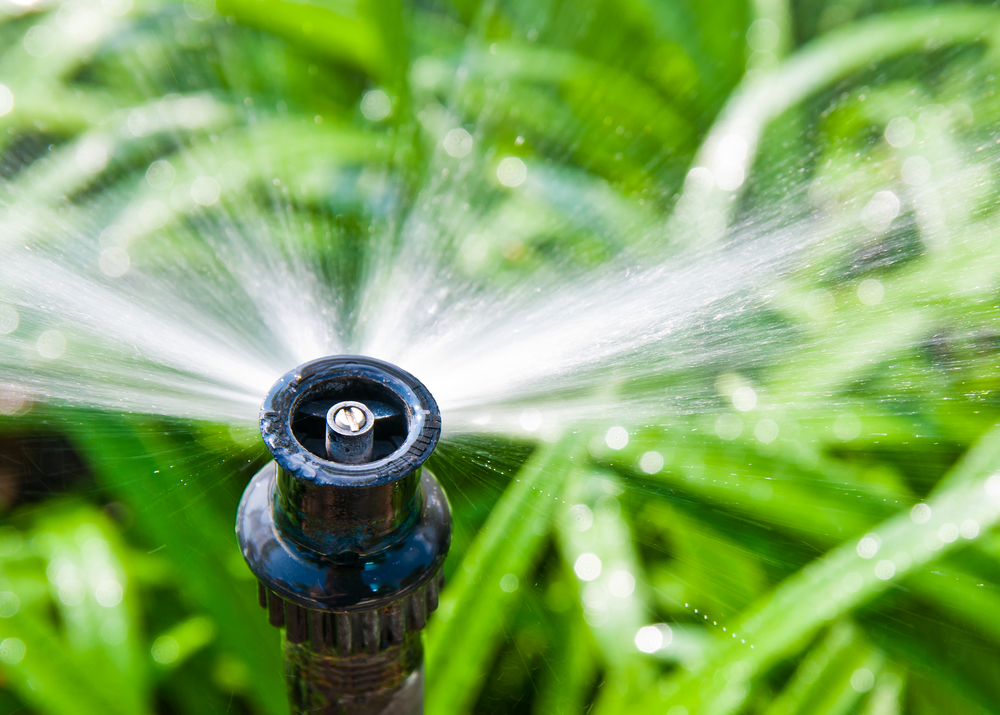
As you then move into summer when watering is an issue, you want to make sure you’re using water wisely. Water early in the morning for about 15 minutes so the lawn can absorb the moisture more effectively. Alternately, water parts of the lawn that are most in need (drying out more) or the areas you want to stay green. More watering advice here.
Step 5 - Weeds
 Springtime is also about removing pesky weeds from your lawn. Depending on whether the weed is an annual or perennial will depend on which pre-emergent or post-emergent herbicide you use.
For example, if you have a problem with annual weeds, such as Crabgrass, then fertilising in spring would go hand-in-hand with the application of pre-emergent herbicides.
Pre-emergence herbicides, as the name suggests, addresses weed control before their seedlings can emerge.
Post-emergent herbicides are used on perennial weeds, such as Dandelions. You can first try removing these perennials by hand, ensuring you remove the whole weed and its roots. Alternately you can purchase a post-emergent herbicide from your local Garden Centre or LawnPride.
Please read the label on any herbicide you may purchase as some are not suitable for Buffalo grasses.
If purchasing a herbicide be sure to check the chemical is suitable for your variety of lawn. More weed advice here.
Step 6 - Mowing
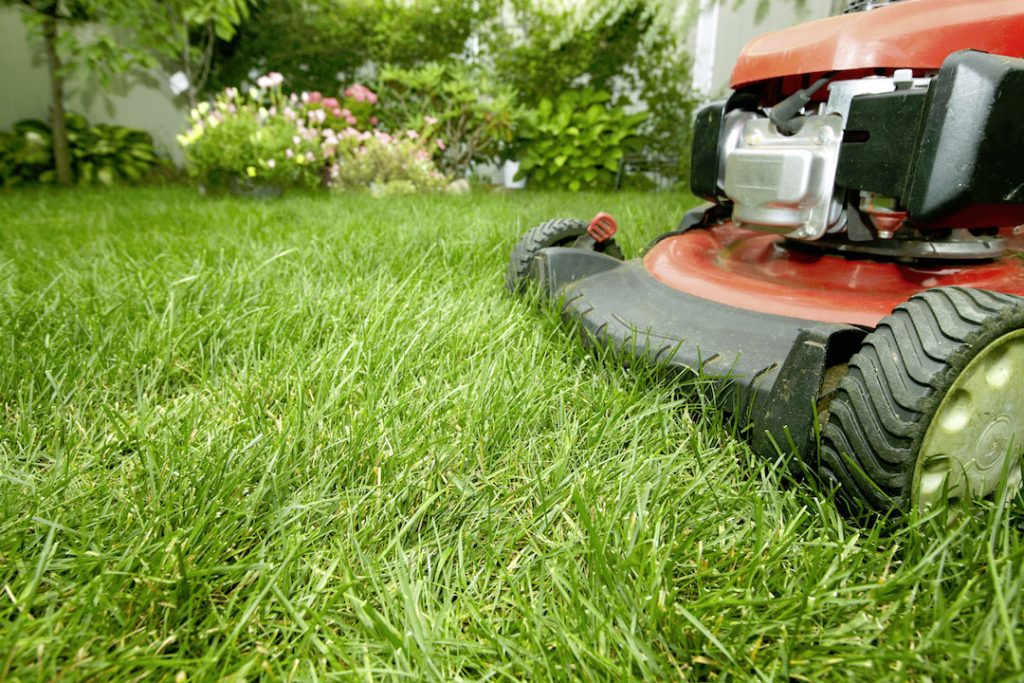
Springtime gives you the perfect opportunity to not only revitalise your lawn but also your lawn mower.
Be sure to check the blades, as sharp blades are the key to healthy lawn mowing. Either replace the blades or grind them back yourself or seek the services or your local mower shop.
During spring grasses such as Buffalo, Zoysia, Couch and Kikuyu like to be kept shorter so aim for between 2cm and 4cm in length.
Also, make sure the engine and other key elements are working smoothly. Want more mowing advice? Click here.
If you’re looking to lay a new lawn this spring, check out our varieties –
- Prestige Soft Leaf Buffalo
- Sapphire Soft Leaf Buffalo
- Palmetto Soft Leaf Buffalo
- Empire Zoysia
- Nara Native Zoysia
- Kenda Kikuyu
- OZTUFF Couch
- Stadium Couch
Or, work out which turf type is best for your home with this handy Quick Lawn Selection Guide.

 Shade
Shade Maint.
 Drought
 Wear
Wear $12–$18/m²