 Pythium Blight is a fungal disease that can affect lawns in Australia’s warm and wet tropical regions.
Homeowners should be on the lookout for Pythium Blight, as it can ruin an otherwise healthy lawn.
In this article, we look at what causes Pythium, leaf blight, how to identify it, and prevent its spread so you can keep your lawn looking its best.
What is Pythium Blight?
Pythium Blight, also known as Cottony Blight, Spot Blight and Grease Spot, is a fungal disease that can affect most mature cool and warm season turf species.
It thrives in hot, humid conditions – particularly in regions where humidity can exceed 90 per cent and night-time temperatures are over 20℃. It may also be more severe in soils with high nitrogen fertility, as well as in alkaline soils.
Pythium Blight vs Dollar Spot and Brown Patch
 Pythium Blight can look very similar to other grass diseases, such as Dollar Spot and Brown Patch.
One key difference to look out for is that leaves affected by Pythium will look flat and greasy. It also spreads very rapidly and will follow water movement.
By comparison, lawns affected by Dollar Spot and Brown Patch will spread much more slowly, and the leaves remain upright.
Pythium Blight Identification
Positive identification of the Pythium spp. fungus is critical for management.
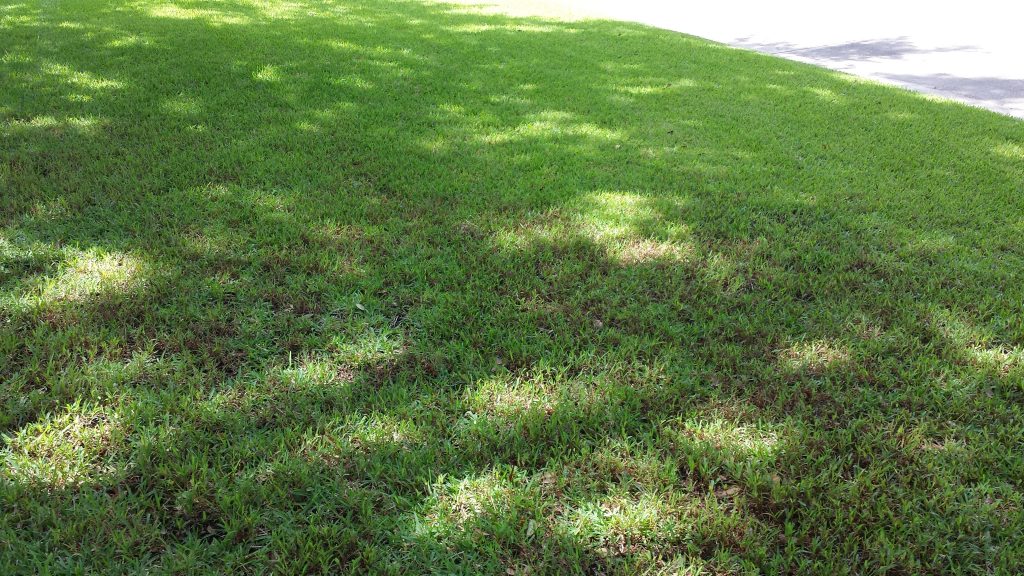
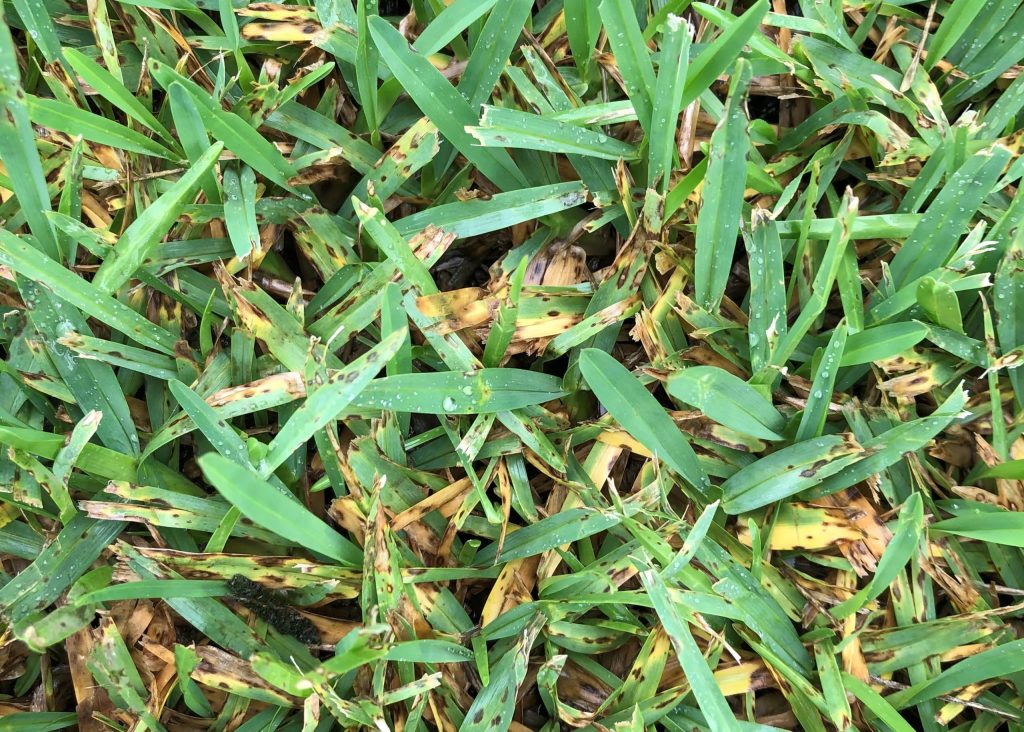
At the early stages of infection, Pythium-infected lawns may appear wet with dew. This can make it hard to identify, especially in wet conditions. Over time, a dark-green slime will form, and the grass can take on a greasy or oily appearance.
As temperatures rise, infected grass will begin to wilt and turn brown. Pythium Blight will first emerge as small reddish-brown spots or streaks. These streaks often follow water run-off patterns or even lawn-mowing patterns.
Pythium Blight can be identified by the white, cottony fungal mycelia (white threads) that can be observed on the surface of the leaves early in the morning.
Treatment for Pythium Blight
When it comes to fungal diseases, prevention is usually better than a cure. However, if you have positively identified Pythium Blight in your lawn, it is possible to control it with a broad spectrum fungicide that is known to target Pythium spp. Follow the manufacturer’s instructions with regard to application rates and timing.
 As excessive moisture is a cause of fungal growth, treatment should also focus on reducing any waterlogging or pooling of water. Address any thatch or soil compaction by aerating your lawn. This will allow the water to drain more effectively, and allow better air circulation to improve drying. You should also repair any uneven patches in your lawn, or run-off issues, to avoid wet spots.
Pythium Blight spreads easily on the blades of a lawnmower and on the soles of shoes. If you suspect that your lawn is infected with Pythium, make sure you clean your machinery after use. You should also rope off the affected area of your lawn from foot traffic to avoid further spreading.
Pythium Blight Control and Prevention
Managing the risk of Pythium Blight involves keeping your lawn as healthy as possible, and avoiding excessive moisture. While you can’t do much about the weather in your region, there are some things you can do to make it more difficult for the infection to take hold.
Water deeply and infrequently, to promote deep root growth, and avoid water pooling on your lawn. Regular aeration and dethatching will allow the excess moisture to drain, and improve air circulation, making your lawn less inviting for the fungus to spread.
Keep an eye on the nitrogen levels of your lawn, and aim to use a slow-release fertiliser during the summer months. If your soil is alkaline (pH of over 7.0) your lawn may be more susceptible to Pythium Blight. Use a soil pH balancing product to bring it down to a neutral pH.
Recommended Products for Pythium Blight
Impala 250mL
In Conclusion
Under the right conditions, Pythium Blight can damage a lawn quickly, causing patches to brown and die back. The best way to avoid Pythium Blight is to avoid overwatering, not overfeeding with nitrogen-based fertilisers, and maintaining the health of your lawn. You should also practice good lawn hygiene, and address any drainage issues. With a little preventative effort, you can keep your lawn healthy and green for years to come.
For more information on suitable products to manage your lawn health, visit myhomeTURF’s online store.
 Shade
Shade Maint.
 Drought
 Wear
Wear $12–$18/m²